Close
Close

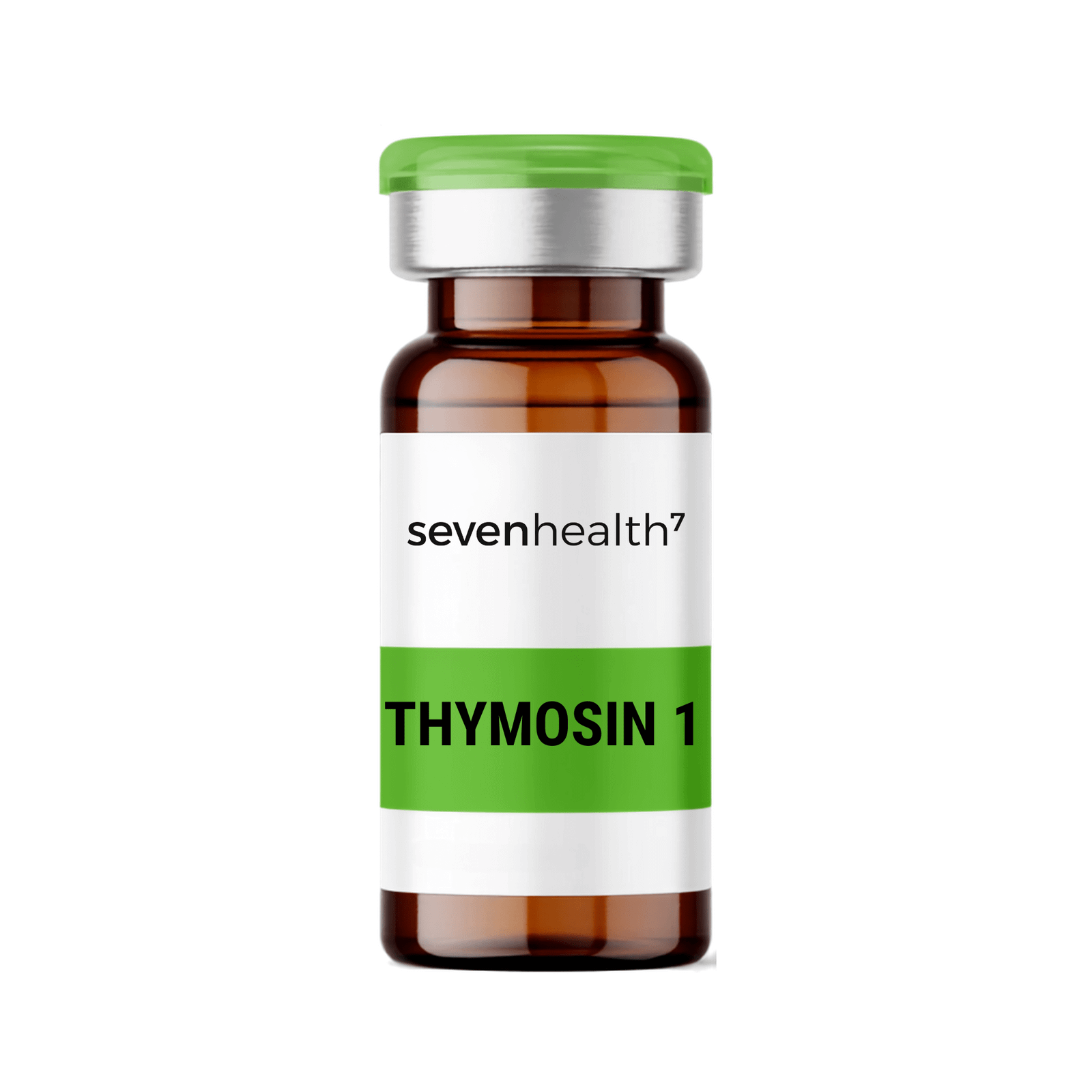
Thymosin Alpha 1 (TA1) 3-Month Membership Program

$1,350.00

4.9 Avg. Rating

1000+ Reviews

Thymosin Alpha 1, often shortened to TA1, is a peptide that many patients ask about when they’re interested in supporting their immune system. Because immune health touches so many areas of everyday wellness, from fighting off common illnesses to overall resilience, TA1 comes up frequently in conversations about immune-focused peptide therapy.
TA1 is a naturally occurring peptide originally identified in the thymus gland, an organ that plays a central role in developing and training your immune system’s T cells, a type of white blood cell important for fighting infections. As the thymus gland naturally shrinks with age, a process researchers call thymic involution, the body’s production of thymic peptides like TA1 tends to decline as well.
Patients commonly ask about TA1 because of its long history of study and use internationally. The synthetic version of this peptide, known by the drug name thymalfasin, has actually been an approved prescription medication in more than 35 countries for several decades, most notably for certain infections and as an immune-supportive therapy alongside other treatments.
It’s important for patients in the United States to understand that this specific drug does not currently carry FDA approval here, even though it’s approved and used clinically elsewhere in the world. Because of this, use of TA1 in the United States is generally considered off-label, and it should always be pursued with a licensed provider who can walk you through what that means for your specific situation.
To understand how TA1 works, picture your immune system’s T cells like students who need proper training before they can effectively do their job. The thymus gland acts like a training academy where these immune cells learn to recognize threats and respond appropriately. TA1 is one of the natural signals produced in this training academy that helps guide T cells through that process. As we age, this training academy naturally becomes less active, which is part of why immune function can become less robust over time. TA1 is studied for its potential role in supporting several aspects of this immune training process, including helping T cells mature properly and supporting the immune system’s ability to recognize and respond to different threats, whether that’s a virus or another kind of challenge. Because TA1 works by supporting your immune system’s own natural signaling and training process, rather than directly attacking a specific target itself, researchers describe it as an immune modulator, meaning it helps guide and balance immune activity rather than simply boosting it in one direction.
  • Has shown promise in research for supporting immune system function, particularly T-cell maturation and immune response coordination
  • Is currently being studied for its potential role in supporting the body’s response to certain viral infections, based on decades of international clinical use
  • May help support immune resilience in patients interested in general wellness and healthy aging, given the natural age-related decline in thymic peptide production
  • Has an extensive international track record, having been used clinically in more than 35 countries, which provides a meaningful body of accumulated real-world experience
Because TA1 does not currently carry FDA approval in the United States, and because its off-label use here has a smaller body of dedicated evidence than its international use, these potential benefits should be discussed carefully with your provider in the context of your specific health goals.
Patients who commonly ask about TA1 include those interested in:
  • Immune support, particularly patients interested in general immune resilience or recovery from illness
  • Healthy aging, given the natural decline in thymic peptide production that occurs with age
  • Wellness optimization, for patients working with a provider on a broader immune health and vitality plan
  • Chronic inflammatory or immune-related concerns, for patients exploring research on immune modulation with their provider, though this requires particularly careful individualized evaluation
TA1 is not appropriate for everyone. It should never be started without a proper medical evaluation, and your provider will help determine whether this off-label option is a reasonable fit for your specific health history, including any autoimmune considerations.
TA1 has one of the more established international research and clinical-use track records among the peptides discussed on this site. Its synthetic form, thymalfasin, has been studied and used clinically in more than 35 countries for several decades, including in the context of certain infections and as a supportive immune therapy, with a substantial number of patients represented in the accumulated international clinical experience. Research has examined TA1’s role in T-cell maturation, immune response coordination, and its potential relevance in chronic inflammatory and autoimmune conditions, including some mechanistic research exploring its effects on specific inflammatory pathways relevant to conditions like multiple sclerosis. Some research has also looked at patients with autoimmune conditions and found differences in their natural TA1 levels compared to healthy individuals, which has generated interest in whether restoring TA1 levels might be relevant in these populations. It’s important to be transparent that despite this substantial international experience, TA1 does not currently have FDA approval in the United States, largely for reasons related to the economics and patent situation of pursuing a US-specific approval process rather than a lack of demonstrated safety or effectiveness elsewhere. Use in the United States is considered off-label, and patients considering TA1 should have a thorough conversation with their provider about what that distinction means, along with realistic expectations based on the available evidence.
TA1 has generally been described in international research and clinical experience as well tolerated, with injection site reactions among the more commonly reported effects and a relatively low signal for serious systemic side effects across the available literature. This is one of the more reassuring aspects of TA1’s safety profile compared to some other peptides with more limited human data. That said, because TA1 affects immune system signaling, it requires careful consideration in certain patients. Patients with autoimmune conditions should have a particularly careful discussion with their provider, since immune-modulating therapies can interact with these conditions in ways that require individualized assessment. This is not a complete list of contraindications, and only a licensed provider reviewing your full medical history can determine whether TA1 is a safe and appropriate option for you. Ongoing medical supervision is important throughout treatment, and patients should only obtain TA1 through licensed, quality-controlled sources rather than unregulated online vendors, given the importance of product quality and consistency with any immune-modulating therapy.

What does Thymosin Alpha 1 do?

TA1 is studied for its potential role in supporting immune system function, particularly T-cell maturation and immune response coordination.

Is TA1 FDA-approved?

Not in the United States. Its synthetic form, thymalfasin, is approved as a prescription drug in more than 35 other countries, but use in the U.S. is considered off-label.

How long before I may notice changes?

Responses vary by person and by the reason for use, and your provider can help set realistic expectations based on your specific situation.

Is it an injection?

Yes, TA1 is typically administered as a subcutaneous injection, though other formulations may exist depending on your provider’s approach.

Can it be combined with other peptides?

This should be discussed with your provider, who can evaluate your full treatment plan and any potential interactions.

Can it be combined with GLP-1 medications?

In many cases, this can be discussed individually with your provider as part of your broader health plan.

Will I need lab work?

Your provider may recommend baseline evaluation, particularly given TA1’s effects on immune signaling.

Who should avoid this peptide combination?

Patients with autoimmune conditions should have a particularly careful conversation with their provider before considering TA1. A full medical evaluation will help determine appropriateness.

How long do patients typically remain on therapy?

This varies significantly depending on the reason for use, and your provider will help determine an appropriate, individualized plan.

Is a consultation required?

Yes. A telehealth consultation with a licensed medical provider is required before starting TA1 or any peptide therapy at SevenHealth.
Every peptide treatment program at SevenHealth is built around comprehensive, individualized medical care. When you begin therapy, your program includes:
  • An initial telehealth medical history and comprehensive evaluation with a licensed medical provider
  • Review of previous laboratory results when available, or recommendations for laboratory testing when medically appropriate
  • Personalized treatment recommendations based on your medical history and goals
  • Three months of prescribed peptide therapy when medically appropriate
  • A customized dosing and titration schedule specific to your prescribed peptide
  • A comprehensive follow-up appointment approximately three months after starting treatment
  • Review of progress, discussion of results, treatment adjustments if medically appropriate, and continued provider guidance
  • Ongoing provider oversight throughout your treatment program
  • No additional fees for appointments included within the treatment program
  • No additional fees for laboratory review as part of your treatment
Our goal is to make your experience with peptide therapy simple, transparent, and medically supervised from your very first consultation through every follow-up appointment. You will always know what to expect, what you’re paying for, and who to reach out to with questions along the way.
Patients choose SevenHealth because we focus on individualized, medically supervised care rather than one-size-fits-all protocols. Every treatment plan is built around your specific health history and goals, and every prescription is overseen by a licensed medical provider from start to finish. We work with FDA-registered 503A U.S. compounding pharmacies that follow applicable quality standards, so you can feel confident in the source and handling of your prescribed peptide therapy. Dosing is guided by your provider, not guesswork, and every program includes a three-month follow-up to review your progress and make adjustments if needed. We also believe in transparent pricing. There are no surprise appointment fees or lab review fees hidden within your treatment program, so you always know what you’re paying for.
  • Thymosin Alpha 1 (TA1) is a naturally occurring thymic peptide studied for its role in immune system support and T-cell maturation.
  • Its synthetic form, thymalfasin, is approved as a prescription drug in more than 35 countries, giving it a substantial international track record.
  • TA1 does not currently have FDA approval in the United States, so its use here is considered off-label.
  • Available safety data suggests it is generally well tolerated, with injection site reactions among the more common effects.
  • Patients with autoimmune conditions should have a particularly careful conversation with their provider before considering TA1.
  • Product quality and sourcing matter significantly for any immune-modulating peptide like TA1.
  • This therapy requires a full medical evaluation and ongoing supervision.
  • SevenHealth includes an initial evaluation, personalized dosing, lab review, and a three-month follow-up in every treatment program.

Educational Disclaimer

This information is provided for educational purposes only and is not intended to diagnose, treat, cure, or prevent any disease. Peptide therapy should only be used under the supervision of a licensed healthcare provider after an appropriate medical evaluation. Individual results may vary.

$100 OFF GLP-1 Injectable Plans for New Members ! CODE: