Close
Close

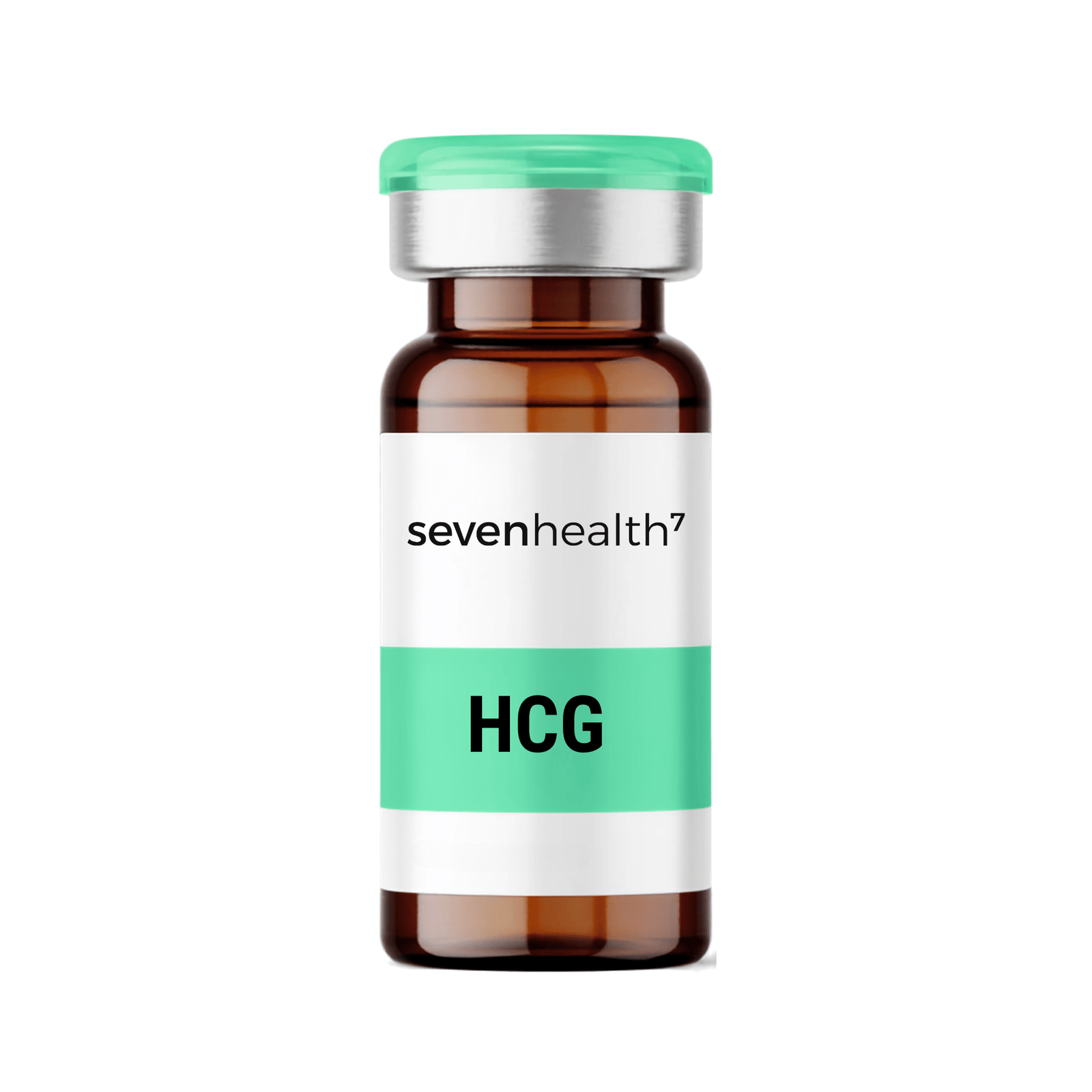
HCG 3-Month Membership Program

$1,150.00

4.9 Avg. Rating

1000+ Reviews

HCG, short for human chorionic gonadotropin, is a hormone that many patients ask about when they’re dealing with low testosterone, fertility concerns, or both at the same time. Because these two goals can sometimes seem to work against each other with other treatments, HCG has become a common topic of conversation for men trying to balance hormone health with the desire to preserve fertility.
HCG is a hormone your body already produces naturally, though usually in a very different context. It’s the same hormone that’s detected in pregnancy tests, produced by the placenta during pregnancy. In men, a version of this same hormone can be used because it closely resembles another natural hormone called luteinizing hormone, or LH, which is the signal your pituitary gland normally sends to the testes to produce testosterone.
Patients commonly ask about HCG because standard testosterone replacement therapy, while effective at raising testosterone levels, can suppress the body’s own hormone signaling and reduce sperm production, sometimes significantly. HCG offers a different approach: rather than replacing testosterone directly, it works by directly stimulating the testes to continue producing testosterone and supporting sperm production, which is why it’s frequently discussed in the context of fertility preservation.
This makes HCG a particularly relevant conversation for men who want to address low testosterone symptoms without closing the door on fertility, as well as men specifically pursuing fertility treatment. As always, a licensed provider can help determine whether HCG, alone or alongside other treatments, is the right fit for your specific goals.
To understand how HCG works, picture the communication system between your brain and your testes like a chain of phone calls. Your pituitary gland normally calls the testes using a hormone called luteinizing hormone (LH), and that call tells the testes to produce testosterone. HCG is structured so similarly to LH that it can essentially make the same phone call directly. Because of this, HCG can stimulate the testes to keep producing testosterone, even in situations where the body’s own natural LH signal might be reduced or turned off, such as when someone is using testosterone replacement therapy, since that therapy can cause the brain to stop sending its own natural signal. This direct stimulation is also why HCG plays a role in supporting sperm production. The same natural testosterone-producing cells that respond to LH are involved in maintaining the local environment inside the testes that sperm production depends on. By keeping this pathway active, HCG helps maintain a process that can otherwise slow down or stop when the body’s natural signaling is suppressed.
  • May help support natural testosterone production by directly stimulating the same pathway the body’s own LH hormone normally activates
  • May help preserve fertility in men using testosterone replacement therapy, by maintaining the testicular environment sperm production depends on
  • Is commonly used to support the restoration of natural hormone signaling in men transitioning off other testosterone therapies
  • Has shown promise in research for men with certain forms of hypogonadism who want to maintain or restore fertility
  • May assist with symptoms of low testosterone, including energy, libido, and overall vitality, for appropriate candidates
Individual results vary, and HCG should be used as part of an individualized plan developed with your provider based on your specific hormone levels and fertility goals.
Patients who commonly ask about HCG include those interested in:
  • Fertility support, particularly men wanting to maintain or restore sperm production while addressing low testosterone
  • Hormone optimization, for men with symptoms of low testosterone who want an alternative or complement to standard testosterone replacement
  • Wellness optimization, for patients working with a provider on a broader plan involving energy, libido, and vitality
  • Transitioning care, for men who have been on testosterone therapy and want to explore options that support natural hormone production
HCG is not appropriate for everyone, and it may not be effective in every situation, particularly when the underlying issue involves the pituitary gland rather than the testes themselves. Your provider will evaluate your specific hormone levels and health history to determine if HCG is a reasonable option for you.
HCG has a longer clinical history than many peptides discussed in wellness settings, and it has established, recognized uses in reproductive medicine. Research and clinical guidelines support the use of HCG for men with certain forms of hypogonadism who wish to preserve fertility, and it is specifically recommended in some professional urology guidelines for testosterone-deficient men with fertility concerns. Additional research has examined HCG used on its own, without other testosterone therapy, for men with symptoms of low testosterone, including some studies looking at men whose testosterone levels were not clearly low by standard lab thresholds but who still experienced symptoms. Some of this research has reported improvements in symptoms like libido, energy, and erectile function, though study sizes in this area are often smaller and more limited than research on standard testosterone replacement therapy. It’s important to be transparent that research on long-term outcomes, particularly in men transitioning from other testosterone therapies to HCG, is still more limited than researchers would like, and individual responses can vary considerably depending on the underlying cause of low testosterone. HCG is generally less effective when the issue originates in the pituitary gland itself rather than the testes, which is why proper evaluation matters before starting.
HCG is generally well tolerated, but like any hormone therapy, it is not free of potential side effects and is not appropriate for every patient. Reported effects can include injection site reactions, mood changes, breast tenderness or enlargement, and fluid retention. Because HCG stimulates testosterone production, it can also affect markers like red blood cell counts, which is part of why lab monitoring is an important part of treatment. HCG is not appropriate for men whose LH levels are already elevated, since this generally indicates the testes are not responding to that signal, meaning additional stimulation is unlikely to help. Certain other medical conditions may also make HCG inappropriate; this is not a complete list of contraindications, and only a licensed provider reviewing your full medical history and labs can determine whether HCG is a safe and appropriate option for you. Ongoing medical supervision, including periodic lab work, is an important part of using HCG safely. Following your prescribed dosing schedule and attending follow-up appointments allows your provider to track your hormone levels and adjust your treatment plan as needed.

What does HCG do?

HCG mimics a natural hormone called LH, directly stimulating the testes to produce testosterone and support sperm production.

How long before I may notice changes?

Some patients report changes in energy or libido within several weeks, though hormone level changes and fertility-related outcomes are typically evaluated over a longer time frame with lab testing.

Is it an injection?

Yes, HCG is typically administered as a subcutaneous injection according to a schedule determined by your provider.

Can it be combined with other peptides?

Yes, HCG is often used alongside testosterone replacement therapy or other treatments as part of an individualized plan. This should always be guided by your provider.

Can it be combined with GLP-1 medications?

In some cases, yes. Your provider can help determine whether this combination fits your specific health goals and history.

Will I need lab work?

Yes. Baseline and follow-up lab testing, including hormone levels, is an important part of monitoring HCG therapy safely and effectively.

Who should avoid this peptide?

Men with already elevated LH levels, or certain other medical conditions, may not be appropriate candidates. A full medical evaluation and lab review will help determine this.

How long do patients typically remain on therapy?

Treatment length varies based on individual goals, whether the focus is fertility preservation or ongoing hormone support, and your provider will help determine an appropriate timeline.

Is a consultation required?

Yes. A telehealth consultation with a licensed medical provider is required before starting HCG or any peptide therapy at SevenHealth.

Is HCG the same as testosterone replacement therapy?

No. HCG works by stimulating your body’s own testosterone production rather than supplying testosterone directly, which is why it’s often discussed as a fertility-friendly alternative or complement to standard testosterone therapy.
Every peptide treatment program at SevenHealth is built around comprehensive, individualized medical care. When you begin therapy, your program includes:
  • An initial telehealth medical history and comprehensive evaluation with a licensed medical provider
  • Review of previous laboratory results when available, or recommendations for laboratory testing when medically appropriate
  • Personalized treatment recommendations based on your medical history and goals
  • Three months of prescribed peptide therapy when medically appropriate
  • A customized dosing and titration schedule specific to your prescribed peptide
  • A comprehensive follow-up appointment approximately three months after starting treatment
  • Review of progress, discussion of results, treatment adjustments if medically appropriate, and continued provider guidance
  • Ongoing provider oversight throughout your treatment program
  • No additional fees for appointments included within the treatment program
  • No additional fees for laboratory review as part of your treatment
Our goal is to make your experience with peptide therapy simple, transparent, and medically supervised from your very first consultation through every follow-up appointment. You will always know what to expect, what you’re paying for, and who to reach out to with questions along the way.
Patients choose SevenHealth because we focus on individualized, medically supervised care rather than one-size-fits-all protocols. Every treatment plan is built around your specific health history and goals, and every prescription is overseen by a licensed medical provider from start to finish. We work with FDA-registered 503A U.S. compounding pharmacies that follow applicable quality standards, so you can feel confident in the source and handling of your prescribed peptide therapy. Dosing is guided by your provider, not guesswork, and every program includes a three-month follow-up to review your progress and make adjustments if needed. We also believe in transparent pricing. There are no surprise appointment fees or lab review fees hidden within your treatment program, so you always know what you’re paying for.
  • HCG is a hormone that mimics LH, directly stimulating the testes to produce testosterone and support sperm production.
  • It is commonly used to help preserve fertility in men on testosterone replacement therapy, since it works differently from direct testosterone supplementation.
  • Research supports its use in certain forms of hypogonadism, particularly for men prioritizing fertility, though it may be less effective for pituitary-related causes of low testosterone.
  • Potential benefits may include support for testosterone levels, libido, and fertility, though results vary by individual and underlying cause.
  • HCG is not appropriate for everyone, particularly men with already elevated LH levels.
  • Ongoing lab monitoring is an important part of using HCG safely.
  • SevenHealth includes an initial evaluation, personalized dosing, lab review, and a three-month follow-up in every treatment program.
  • HCG works best as part of an individualized plan built around your specific hormone levels and fertility goals.

Educational Disclaimer

This information is provided for educational purposes only and is not intended to diagnose, treat, cure, or prevent any disease. Peptide therapy should only be used under the supervision of a licensed healthcare provider after an appropriate medical evaluation. Individual results may vary.

$100 OFF GLP-1 Injectable Plans for New Members ! CODE: