Close
Close

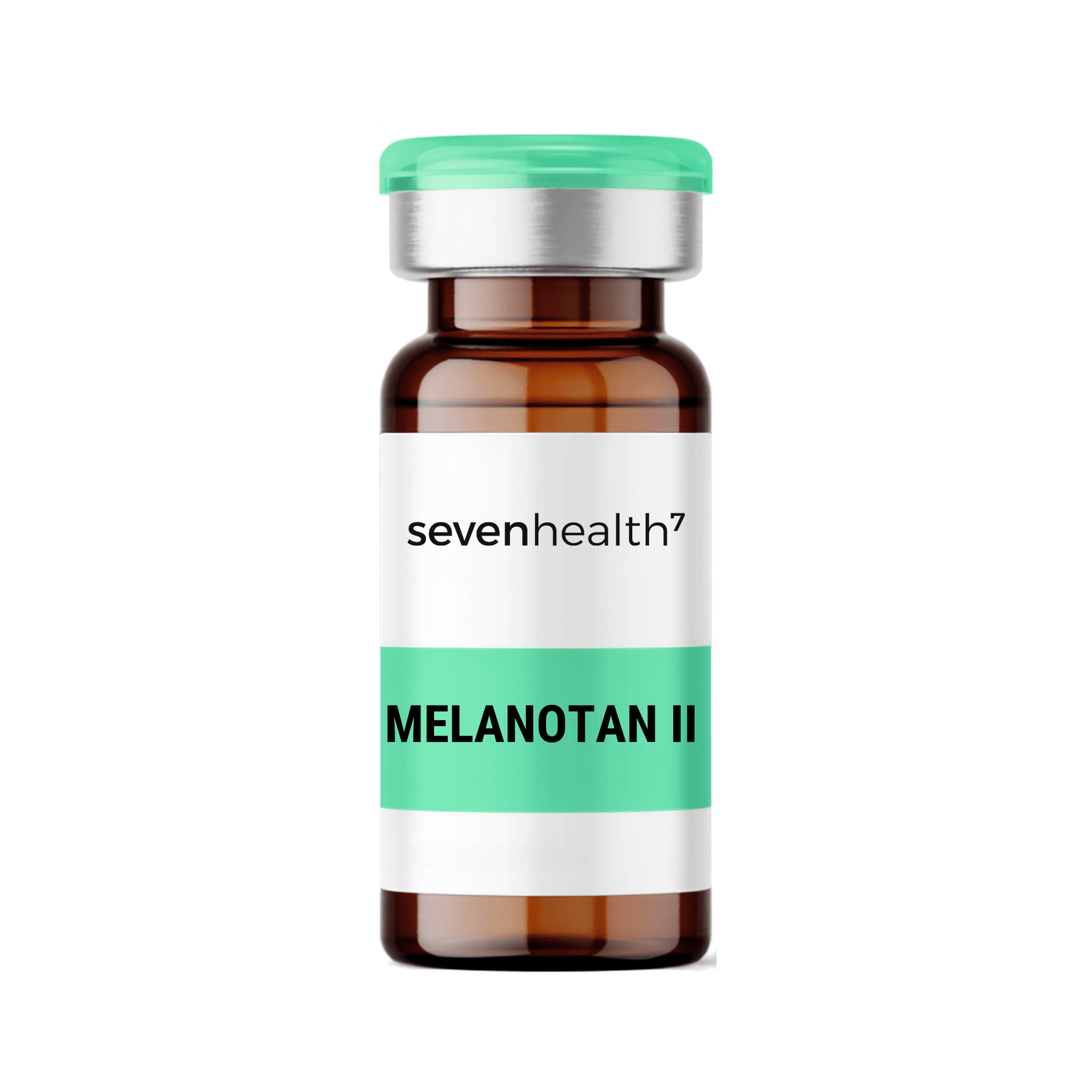
Melanotan II 3-Month Membership Program

$1,050.00

4.9 Avg. Rating

1000+ Reviews

Melanotan II is a peptide that some patients ask about after hearing it can promote skin tanning without needing to spend time in the sun. Because it’s a topic that comes up often in wellness and cosmetic conversations, it’s important to walk through what it actually is, what the evidence shows, and what the real considerations are before pursuing it.
Melanotan II is a synthetic version of a hormone your body naturally makes called alpha-melanocyte-stimulating hormone, or α-MSH. This natural hormone plays a role in stimulating melanin, which is the pigment responsible for the color of your skin, hair, and eyes. Melanotan II was designed to activate the same general pathway, with the goal of increasing melanin production and producing a tanned appearance.
It’s important for patients to understand upfront that Melanotan II is not an FDA-approved medication for tanning or any cosmetic use. A related, more selective compound called afamelanotide has FDA approval for a specific rare medical condition, but Melanotan II itself does not carry that same approval status. Patients often ask about it anyway because they’re looking for tanning approaches that don’t rely on UV exposure, but it’s essential to understand this compound comes with a real safety profile that needs to be discussed honestly.
Because Melanotan II affects more than just skin pigmentation, patients considering it should have a thorough conversation with a licensed medical provider about the full picture, including effects beyond skin tone, before making a decision. This page is meant to provide that honest, balanced picture rather than a one-sided sales pitch.
To understand how Melanotan II works, think of melanin like the paint that colors your skin, hair, and eyes. Special cells in your skin called melanocytes are the “paint factories” responsible for producing this pigment. Under normal circumstances, sun exposure triggers your body to signal these cells to produce more melanin, which is what causes a natural tan. Melanotan II is designed to mimic the natural signal that tells these pigment-producing cells to get to work, without requiring UV exposure to trigger it. It does this by activating a group of receptors in the body called melanocortin receptors. Here’s the important part patients need to understand: these same receptors aren’t found only in skin cells. They’re also found in other parts of the body, including areas of the brain related to appetite and sexual arousal. Because Melanotan II is not selective, meaning it doesn’t only “turn on” the pigment pathway, it can also affect these other systems. This is why patients may notice effects beyond tanning, such as changes in appetite or sexual arousal, and why a comprehensive medical conversation matters before use.
  • May help promote skin pigmentation by stimulating melanin production through the body’s natural melanocortin pathway
  • Is currently being studied for its role in reducing the amount of direct UV exposure some patients feel they need to achieve a tanned appearance
  • May be of interest to patients with certain diagnosed light-sensitivity conditions, though a related, more selective compound is the one that carries a specific FDA approval for this use, not Melanotan II itself
Because Melanotan II is not selective and affects multiple systems in the body, any potential benefit needs to be weighed carefully against its broader effects and known risks, which are discussed in detail below.
Patients who commonly ask about Melanotan II include those interested in:
  • Cosmetic tanning support, particularly patients looking for alternatives to direct sun exposure or tanning beds
  • Wellness optimization, for patients curious about melanocortin-pathway peptides in general
Melanotan II is not appropriate for everyone, and given its non-selective effects and lack of FDA approval for cosmetic use, it requires an especially thorough medical conversation before starting. It should never be started without a proper medical evaluation, and your provider will help you understand whether it’s a reasonable option given your personal health history, including any history of skin conditions, moles, or skin cancer.
Melanotan II has been studied in early-phase human research examining its effects on pigmentation and its activity at melanocortin receptors. Separately, related human research on melanocortin-pathway compounds has explored their effects on sexual arousal and appetite, which helps explain why Melanotan II produces effects beyond skin tanning. It’s important to be transparent that no large-scale, long-term controlled clinical trials have established a confirmed safe dosing range for Melanotan II in humans, and no FDA approval exists for its use in cosmetic tanning. Much of what is known about its real-world effects comes from smaller studies, case reports, and post-market safety monitoring by health authorities in different countries, some of which have issued specific safety alerts about Melanotan products. Because Melanotan II is not selective for the pigmentation pathway alone, and because long-term human safety data is limited, this compound should be understood as one with meaningful open questions in the research, rather than a settled, low-risk cosmetic option. Individual responses vary, and ongoing monitoring is an important part of any informed decision involving this peptide.
Melanotan II carries a more involved safety profile than many other peptides, and this needs to be discussed honestly. Reported effects can include nausea, flushing, fatigue, changes in appetite, and spontaneous sexual arousal or erections, which in rare cases can be prolonged and require medical attention. Because it activates melanocortin receptors broadly, some research has also pointed to temporary changes in blood pressure and heart rate. A particularly important safety consideration involves existing moles and skin lesions. Because Melanotan II stimulates melanin-producing cells throughout the body, it can cause existing moles to darken or change in appearance, which can make it more difficult to visually monitor for early signs of skin cancer. Patients with a personal or family history of melanoma or other skin cancers, or those with many moles, should have a particularly careful conversation with their provider, including regular skin examinations, before considering this therapy. Because of these considerations, ongoing medical supervision is especially important with Melanotan II, including baseline and periodic skin checks. Patients should never source or use this peptide without medical oversight, and should always follow their prescribed treatment plan and report any new or changing moles, prolonged erections, or other unusual symptoms to their provider right away.

What does Melanotan II do?

It’s a peptide that may help promote skin pigmentation (a tanned appearance) by activating the same general pathway your body uses when tanning from the sun, though it also affects other body systems.

Is Melanotan II FDA-approved?

No. Melanotan II is not FDA-approved for tanning or any cosmetic use. A related, more selective peptide has FDA approval for a specific rare medical condition, but that is a different compound.

How long before I may notice changes?

Some patients report noticing changes in skin tone within days to weeks, though individual responses vary considerably.

Is it an injection?

Yes, Melanotan II is typically administered as a subcutaneous injection.

Can it be combined with other peptides?

This should only be discussed with your provider, who can evaluate whether combining Melanotan II with any other therapy is appropriate given its broad effects on the body.

Will I need lab work or skin exams?

Your provider may recommend a skin examination and other monitoring given Melanotan II’s known effects on moles and pigmented lesions.

Who should avoid this peptide?

Patients with a personal or family history of melanoma or other skin cancers, or those with many atypical moles, should have an especially careful conversation with their provider, as they may not be appropriate candidates.

Are there risks beyond skin changes?

Yes. Reported effects can include nausea, flushing, appetite changes, and spontaneous or prolonged erections. These should be discussed thoroughly with your provider before starting.

How long do patients typically remain on therapy?

This varies by individual goals and provider recommendation, and should always be guided by ongoing medical supervision rather than a fixed assumption.

Is a consultation required?

Yes. A telehealth consultation with a licensed medical provider is required before starting Melanotan II or any peptide therapy at SevenHealth.
Every peptide treatment program at SevenHealth is built around comprehensive, individualized medical care. When you begin therapy, your program includes:
  • An initial telehealth medical history and comprehensive evaluation with a licensed medical provider
  • Review of previous laboratory results when available, or recommendations for laboratory testing when medically appropriate
  • Personalized treatment recommendations based on your medical history and goals
  • Three months of prescribed peptide therapy when medically appropriate
  • A customized dosing and titration schedule specific to your prescribed peptide
  • A comprehensive follow-up appointment approximately three months after starting treatment
  • Review of progress, discussion of results, treatment adjustments if medically appropriate, and continued provider guidance
  • Ongoing provider oversight throughout your treatment program
  • No additional fees for appointments included within the treatment program
  • No additional fees for laboratory review as part of your treatment
Our goal is to make your experience with peptide therapy simple, transparent, and medically supervised from your very first consultation through every follow-up appointment. Given the safety considerations unique to Melanotan II, your provider will place particular emphasis on monitoring and honest, ongoing conversation throughout your treatment.
Patients choose SevenHealth because we focus on individualized, medically supervised care rather than one-size-fits-all protocols. Every treatment plan is built around your specific health history and goals, and every prescription is overseen by a licensed medical provider from start to finish. We work with FDA-registered 503A U.S. compounding pharmacies that follow applicable quality standards, so you can feel confident in the source and handling of your prescribed peptide therapy. Dosing is guided by your provider, not guesswork, and every program includes a three-month follow-up to review your progress and make adjustments if needed. We also believe in transparent pricing and transparent education. There are no surprise appointment fees or lab review fees hidden within your treatment program, and we believe patients deserve an honest picture of both the potential benefits and the real risks of any peptide, including Melanotan II.
  • Melanotan II is a synthetic peptide that mimics a natural hormone involved in skin pigmentation.
  • It is not FDA-approved for tanning or cosmetic use, and long-term human safety data remains limited.
  • Because it is not selective, it can affect appetite, sexual arousal, and other systems beyond skin pigmentation.
  • It can cause existing moles to darken, which may complicate skin cancer monitoring, making dermatologic follow-up important.
  • Patients with a personal or family history of skin cancer should have an especially careful conversation with their provider.
  • Reported side effects include nausea, flushing, appetite changes, and in rare cases, prolonged erections requiring medical attention.
  • This therapy requires thorough medical evaluation and ongoing supervision, and is not appropriate for every patient.
  • SevenHealth prioritizes honest, balanced education and comprehensive monitoring throughout any treatment involving Melanotan II.

Educational Disclaimer

This information is provided for educational purposes only and is not intended to diagnose, treat, cure, or prevent any disease. Peptide therapy should only be used under the supervision of a licensed healthcare provider after an appropriate medical evaluation. Individual results may vary.

$100 OFF GLP-1 Injectable Plans for New Members ! CODE: